
No Boundaries Lug Sole vs Wide Combat Boots: Which Fit Works?
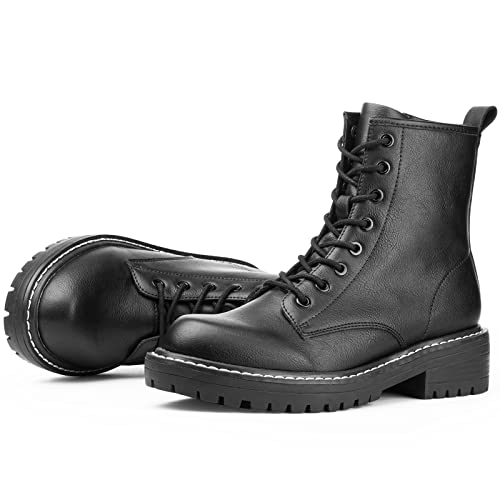
Combat boots comparison starts with understanding how sole design and width interact. No Boundaries offers two distinct approaches: the lug sole wide combat boot prioritizes aggressive tread and a roomier toe box, while the wide combat boot focuses on a streamlined silhouette with added width through the midfoot.
We built both styles to serve different needs, and choosing between them depends on whether you prioritize ground contact, weight distribution, or a slimmer profile. This guide walks through the structural differences that matter most when you’re standing, walking, or moving all day.

Lug Sole Construction and Ground Contact
A lug sole features deep, molded tread blocks spaced across the outsole. Each lug compresses independently when your heel strikes, then releases as your weight shifts forward. The pattern creates multiple contact points instead of a single flat surface.
This matters most on wet pavement, gravel, or uneven terrain where a smooth sole loses friction. The No Boundaries Women’s Lug Sole Wide Combat Boots use a 5mm lug depth with hexagonal spacing, which balances traction against debris buildup. Deeper lugs grip harder but collect mud and small stones more readily.
Weight and Flex
Lug soles add material under the foot, increasing overall boot weight by 3-6 ounces per pair compared to a flat outsole. The added rubber also stiffens the flex point at the ball of the foot. If you spend hours on concrete or tile, that reduced flex can feel restrictive during a full shift.
Wide Fit Versus Extra Width in the Toe Box
Width designation in combat boots refers to the measurement across the ball of the foot, not the toe box. A boot labeled ‘wide’ adds 3-5mm to that midfoot girth but doesn’t automatically expand the toe area.
The No Boundaries Women’s Wide Combat Boots widen the entire footbed uniformly, maintaining the same toe taper as the standard-width version. This works well if your forefoot and midfoot both need room but your toes don’t splay dramatically.
Lug sole models often pair a wide midfoot with a boxier toe, giving each digit more vertical and lateral clearance. That combination suits a high arch or a foot that swells during long wear, but it also creates a visually bulkier silhouette. According to Britannica’s entry on shoe construction, toe box shape has varied across eras and cultures based on both function and fashion, so the choice between streamlined and roomy reflects personal preference as much as biomechanics.
Ankle Support and Upper Stiffness
Both styles use a 6-inch shaft height measured from the top of the insole. The difference lies in how the upper wraps the ankle. Lug sole boots typically employ a thicker leather or synthetic panel that resists inward roll, while standard wide combat boots use a softer, more pliable material.
Stiffer uppers prevent ankle twist on uneven ground but require a longer break-in period. Softer uppers flex immediately but offer less lateral stability if you step off a curb or shift weight suddenly. Neither design is objectively superior; the right choice depends on whether your priority is immediate comfort or long-term support.
Lacing Systems and Pressure Distribution
Lug sole models often feature speed hooks above the instep, allowing quick tension adjustments. Standard wide boots use eyelets through the entire shaft, giving finer control over each lace pass. Speed hooks save time but can create a pressure line where the hook meets the upper if the laces are pulled too tight.
Material Density and Break-In Time
Full-grain leather takes 10-15 wears to mold to your foot contour, while synthetic uppers reach their final shape within 3-5 wears. Lug sole boots generally use denser materials to withstand the torsional stress of aggressive tread, extending break-in by several days.
If you need a boot ready to wear immediately, a synthetic wide combat boot without lug soles will feel closer to final fit out of the box. Leather models reward patience with better long-term durability and a custom fit that improves over months. The No Boundaries Men’s Combat Boots collection includes both material options across multiple sole types.
Pair break-in with thicker socks initially, then switch to your regular weight once the upper softens. Conditioning leather every 4-6 weeks maintains suppleness and delays cracking along flex lines.
Styling Considerations and Silhouette
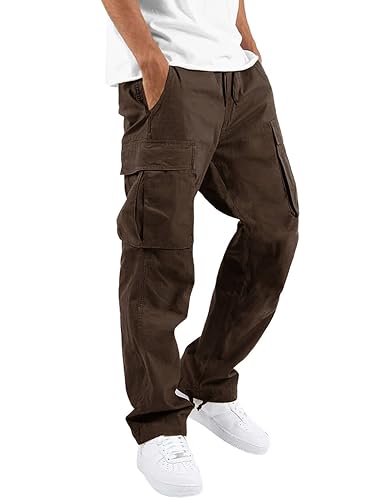
A lug sole adds 15-20mm of platform height, shortening the visual line of your leg when paired with cropped pants. Wide combat boots with a thinner sole sit closer to the ground, creating a sleeker profile under No Boundaries Women’s Soft Fleece Wide Leg Pants or straight-leg denim.
Bulkier soles balance wider trouser hems, while minimal soles work better with tapered cuts. If your wardrobe leans toward oversized tops and relaxed fits, the added visual weight of lug soles complements that aesthetic. Conversely, if you prefer streamlined layers, a standard wide boot maintains proportional harmony.
Both styles accept the same lace swaps, insole upgrades, and conditioning treatments. Sole choice affects look and function, but doesn’t limit customization options once you own the pair. For seasonal versatility, consider whether you’ll wear the boots year-round or rotate them with lighter footwear during warmer months. The quality and range of options available at Mossimo reflects how competitive the broader casual footwear market has become, pushing every brand to refine fit and material choices.
Matching Sole and Width to Your Needs
Choosing between lug sole and wide combat boots hinges on where and how you’ll wear them. Aggressive tread suits variable terrain and wet weather, while streamlined soles work better for indoor environments and extended standing on flat surfaces.
Width addresses midfoot comfort, but toe box shape and upper stiffness influence all-day wearability just as much. Try both styles with the socks and insoles you’ll actually use, then walk on the surfaces you encounter daily. The right pair supports your foot mechanics without requiring constant adjustment, letting you focus on your day instead of your footwear.
Questions About Sole Design and Fit
Lug soles compress faster under repeated pressure, losing 1-2mm of tread depth per year with daily wear. Smooth soles wear more evenly but show scuff marks sooner.
Both types last 12-18 months of regular use before needing replacement. Rotating between two pairs extends lifespan for each by reducing consecutive-day compression cycles.
Yes, but adding volume inside the boot tightens the fit across the instep and toe box. Remove the factory insole first, then measure the replacement thickness to ensure it doesn’t exceed the original.
Cushioned insoles work better in standard wide boots because the thinner sole allows more internal clearance. Lug sole models already occupy more vertical space, leaving less room for aftermarket inserts without creating pressure points.
Lug soles channel water away from the contact patch, reducing hydroplaning risk on smooth tile or polished concrete. Flat soles rely on material compound grip, which weakens when saturated.
Both types benefit from a waterproof upper treatment, but sole tread determines how confidently you can move across wet surfaces. If your commute involves rain or snow, lug soles provide measurable safety margin.
Wide fit adds 3-5mm across the ball of the foot, roughly half a shoe width in traditional sizing. That measurement applies to the interior footbed, not the external appearance.
If you normally wear a standard width but experience midfoot pinching by end of day, wide fit resolves that without feeling loose at the heel. If your entire foot measures wide, you may need both a wide designation and a lug sole model with a roomier toe box.
Resoling requires a cobbler who stocks matching lug patterns or can source a compatible blank. Smooth-sole boots accept universal replacement soles more readily.
Cost runs 50-70% of a new pair’s price, making resoling worthwhile only if the upper remains in excellent condition. Stitched construction resoles more cleanly than cemented attachment, so check how your boot is assembled before planning long-term repair.